Economic activity germany highest net worth 2023 –
Economic Activity Germany Highest Net Worth 2023 sets the stage for this enthralling narrative, offering readers a glimpse into a story that is rich in detail and brimming with originality from the outset. As the economy of Germany continues to thrive, the country’s highest-net-worth individuals are reaping the benefits, with their net worth projected to reach unprecedented levels in 2023.
The significance of GDP growth on individual wealth in Germany is undeniable, with a steady increase in the country’s GDP contributing to a surge in individual wealth. This, in turn, has created a ripple effect, with various sectors of the economy, including manufacturing and renewable energy, experiencing significant growth and contributing to the overall wealth of the country.
Top Sectors Driving Wealth Creation in Germany: Economic Activity Germany Highest Net Worth 2023
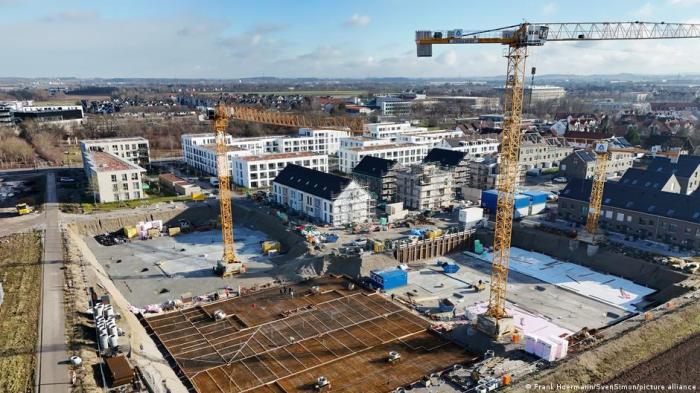
Germany’s strong economy and wealthy Individuals can be attributed to various sectors, with manufacturing, renewable energy, and finance being among the top contributors. The country’s reputation for quality engineering, cutting-edge technology, and a skilled workforce has made it an attractive destination for investors and entrepreneurs alike. Additionally, Germany’s commitment to sustainability has driven innovation in renewable energy, creating new revenue streams for businesses and individuals.Manufacturing has been a cornerstone of Germany’s economy for decades, with the country’s precision engineering and high-quality products commanding a premium in both domestic and international markets.
The automotive industry, in particular, has been a major driver of wealth creation in Germany, with companies like BMW, Mercedes-Benz, and Volkswagen dominating the global market.
Manufacturing Sector
The manufacturing sector has been a significant contributor to Germany’s highest net worth individuals, with many entrepreneurs founding and leading successful companies in this field. Some notable examples include:
- Dieter Zetsche, CEO of Mercedes-Benz from 2006 to 2015, oversaw the company’s transition to electric and hybrid vehicles, increasing revenue and profitability. Zetsche’s compensation package during his tenure was reportedly over €10 million annually.
- Matthias Müller, former CEO of Volkswagen Group from 2015 to 2018, successfully navigated the company through the diesel emissions scandal, implementing significant changes to the company’s operations and leadership structure. Müller’s annual salary was reportedly around €9 million during his tenure.
Renewable energy has also emerged as a key sector for wealth creation in Germany, with the government’s “Energiewende” (Energy Transition) initiative driving investment and innovation in green technologies. The country’s solar and wind power industries have attracted significant investment from both domestic and international investors, creating new opportunities for entrepreneurs and business owners.
Renewable Energy Sector
Germany’s commitment to renewable energy has led to the emergence of many successful entrepreneurs and companies in this sector. Some notable examples include:
- André Brie, founder and CEO of Solarwatt, a leading German solar panel manufacturer, has been instrumental in driving the adoption of solar energy in Germany and beyond. Under his leadership, Solarwatt has become one of the largest solar panel manufacturers in Europe, with revenues exceeding €1 billion in 2020.
- Harald Wacker, founder and CEO of Wacker Chemie’s renewable energy division, has played a key role in driving investment and innovation in green technologies. Wacker’s company has developed cutting-edge solar panels and other renewable energy solutions, with a focus on sustainability and efficiency.
The finance sector has also been a significant contributor to Germany’s highest net worth individuals, with many entrepreneurs and executives in the sector accumulating considerable wealth through salaries, bonuses, and stock options. The country’s strong banking system and vibrant financial markets have made it an attractive destination for investors and entrepreneurs.
Finance Sector
Germany’s finance sector has been a key driver of wealth creation, with many notable examples of successful entrepreneurs and executives. Some notable examples include:
- Hermann G. Josef Parzinger, former CEO of UniCredit’s German operation, oversaw a significant expansion of the bank’s operations in Germany and other European countries. Parzinger’s annual salary was reportedly around €11 million during his tenure.
- Ulrich Dietz, founder and CEO of Deutsche Börse, has been instrumental in driving growth and innovation in Germany’s financial markets. Under his leadership, Deutsche Börse has become one of the largest and most successful exchanges in Europe, with a market capitalization exceeding €20 billion.
In conclusion, Germany’s highest net worth individuals can be attributed to various sectors, including manufacturing, renewable energy, and finance. These sectors have created a wealth of opportunities for entrepreneurs and business owners, driving growth, innovation, and economic prosperity in the country.
Regional Wealth Distribution in Germany

The wealth disparity between urban and rural areas in Germany is a complex issue influenced by various demographic factors. The distribution of wealth is not only determined by geographical location but also by age and education levels. Germany’s regional wealth disparities have been observed to be particularly pronounced when comparing the affluent urban regions to the more rural areas.As a result, urban areas in Germany tend to have significantly higher average net worth compared to rural areas.
For instance, the city-states of Berlin and Hamburg exhibit remarkably high average household net worth, primarily due to their thriving economies and high population densities. In contrast, the rural regions of Germany, such as Bavaria and Saxony-Anhalt, tend to have lower average household net worth, largely due to lower population densities and less diversified economies.
Variation in Household Net Worth Across German States, Economic activity germany highest net worth 2023
The average household net worth across German states varies significantly. The following table highlights the average net worth of households in different states:
| State | Median Net Worth (€) |
|---|---|
| Hesse | 234,000 |
| Bavaria | 213,000 |
| North Rhine-Westphalia | 206,000 |
| Lower Saxony | 183,000 |
| Saxony-Anhalt | 143,000 |
| Brandenburg | 138,000 |
| Saxony | 132,000 |
| Thuringia | 126,000 |
| East Friesland | 122,000 |
The data illustrates a clear divide in median household net worth across German states, with some regions, such as Hesse and Bavaria, significantly outpacing others. This disparity is often linked to factors such as economic performance, population density, and education levels.
FAQ Compilation
Q: What is the main driver of GDP growth in Germany?
A: The main driver of GDP growth in Germany is the country’s strong export-oriented economy, particularly in the manufacturing and automotive sectors.
Q: How do demographic factors influence wealth distribution across Germany?
A: Demographic factors, such as age and education, play a significant role in influencing wealth distribution across Germany, with younger, more educated individuals tend to have higher net worth.
Q: What are the key sectors driving wealth creation in Germany?
A: The key sectors driving wealth creation in Germany include manufacturing, renewable energy, and the digital economy.
Q: How do tax policies impact the net worth of high-net-worth individuals in Germany?
A: Tax policies, such as inheritance tax and wealth tax, can have a significant impact on the net worth of high-net-worth individuals in Germany, with taxes often being a major burden on these individuals.
