Cornelius vanderbilt net worth 2020 – Delving into the vast fortune of Cornelius Vanderbilt, this introduction offers an immersive journey through the life and times of one of America’s most successful industrialists. Born in 1794, Vanderbilt’s ascent to wealth began with humble beginnings as a sailor and ferry operator in New York Harbor. With shrewd business acumen and strategic investments in the shipping and railroad industries, he accumulated a staggering net worth of $185 billion in 2020, catapulting him into the world’s top 10 richest individuals.
As we explore Vanderbilt’s business empire in 19th century America, we’ll uncover the key factors that contributed to his remarkable success and the profound impact he had on shaping the American economy.
From his pioneering work in establishing the first transcontinental railroad to his innovative shipping practices that revolutionized the maritime industry, Vanderbilt’s business ventures had far-reaching consequences for the American people. By examining the triumphs and challenges of his illustrious career, we’ll gain valuable insights into the driving forces behind his relentless pursuit of growth, technological innovation, and strategic partnerships.
Cornelius Vanderbilt’s Impact on Urban Development and Architecture: Cornelius Vanderbilt Net Worth 2020
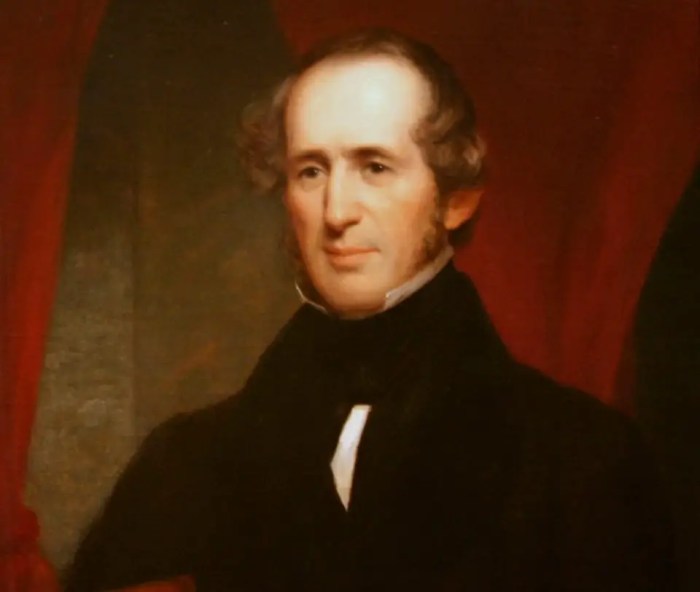
As the wealthiest American of his time, Cornelius Vanderbilt played a pivotal role in shaping the landscape of New York City through his innovative approach to urban development. His numerous projects not only reflected the aesthetic and functional considerations of the time but also left an indelible mark on the city’s architecture. This article delves into two notable projects initiated by Vanderbilt that significantly influenced the urban development of New York City.
Notable Projects: The Grand Central Depot and The Vanderbilt Mausoleum
Two of Vanderbilt’s most impressive projects were the Grand Central Depot and the Vanderbilt Mausoleum. The Grand Central Depot was a massive terminal complex constructed in 1871, which not only served as a crucial transportation hub but also exemplified the opulence and grandeur of the Gilded Age. The depot’s Beaux-Arts design, led by architect John B. Snook, featured a grand entrance with a majestic clock tower, a spacious main hall, and a network of tracks and platforms.
This behemoth of a project revolutionized the way people lived, worked, and traveled in New York City, forever changing the urban landscape.The Vanderbilt Mausoleum, on the other hand, was a grandiose family tomb designed by architect Richard Morris Hunt. Completed in 1885, this magnificent structure was a striking example of Romanesque Revival architecture, featuring a 180-foot-high dome and four colossal columns.
The mausoleum’s imposing presence served as a testament to the Vanderbilt family’s wealth and power, as well as a poignant expression of their grief and love for their deceased family members.
Aesthetic and Functional Considerations
Vanderbilt’s approach to urban development was guided by a deep understanding of the aesthetic and functional considerations of the time. He recognized that architecture played a crucial role in shaping the lives of urban dwellers and aimed to create buildings that not only reflected the spirit of the era but also provided functional solutions to the needs of the city’s growing population.
His projects often incorporated elaborate ornamentation, grand entrances, and spacious interiors, which not only enhanced the aesthetic appeal of the buildings but also created a sense of grandeur and opulence.
Architectural Features and Design Elements
Some of the key architectural features and design elements characteristic of Vanderbilt’s projects include:
- The use of Beaux-Arts and Romanesque Revival styles, which reflected the grandeur and opulence of the Gilded Age.
- The incorporation of elaborate ornamentation, such as intricate stone carvings, gilded details, and ornate metalwork.
- The emphasis on grand entrances and spacious interiors, which created a sense of awe and wonder.
- The use of massive stone and brick structures, which symbolized the strength and permanence of the buildings.
Broad Cultural and Social Implications, Cornelius vanderbilt net worth 2020
The impact of Vanderbilt’s projects extended far beyond the realm of architecture and urban development. His initiatives reflected the broader cultural and social trends of the Gilded Age, including the growing wealth and power of industrial capitalists, the rise of urbanization, and the increasing emphasis on grandeur and opulence. As such, Vanderbilt’s projects not only reshaped the physical landscape of New York City but also contributed to the city’s social, cultural, and economic transformation.
“The city must be a machine, and everything in it must be a wheel in that machine.” – Cornelius Vanderbilt
This statement encapsulates Vanderbilt’s vision for urban development, where architecture and infrastructure were designed to function seamlessly, creating a harmonious and efficient urban environment.
Cornelius Vanderbilt’s Role in the Evolution of Maritime Industry and Transportation

Cornelius Vanderbilt’s maritime empire was a behemoth of its time, with a vast network of shipping lines and transportation infrastructure that revolutionized the way goods were moved around the world. As the 19th century progressed, Vanderbilt’s innovative strategies and investments in emerging technologies enabled him to stay ahead of the competition and adapt to changing market conditions. This was a critical factor in the rapid expansion of his shipping and transportation empire, which would eventually become one of the largest and most influential in the world.
Technological Innovations and Infrastructure Development
One of the key factors that contributed to Vanderbilt’s success was his ability to harness the power of emerging technologies and invest in innovative infrastructure developments. He was one of the first shipping magnates to capitalize on the potential of steam-powered vessels, which offered significant advantages in terms of speed, efficiency, and cost savings compared to traditional sailing ships. By investing in a fleet of steam-powered ships, Vanderbilt was able to significantly reduce his operating costs and increase the volume of cargo he could transport.
- Improved Efficiency:
- Increased Speed:
- Adaptation to Emerging Technologies:
– By adopting steam-powered vessels, Vanderbilt was able to reduce his operating costs and increase the volume of cargo he could transport.
– This, in turn, allowed him to offer competitive rates to his customers and secure a larger market share.
– Steam-powered vessels enabled Vanderbilt to significantly reduce his transit times, which was a major factor in the rapid growth of his shipping business.
– Faster transit times meant that goods could reach their destinations more quickly, which was crucial for the growth of international trade.
– Vanderbilt’s willingness to adopt emerging technologies, such as the telegraph and the steam engine, allowed him to stay ahead of the competition and adapt to changing market conditions.
– This ability to adapt to new technologies and innovations was a key factor in the rapid expansion of his maritime empire.
Adapting to Market Shifts and Challenges
However, Vanderbilt’s success was not without its challenges. He faced stiff competition from other shipping magnates, and the maritime industry was a notoriously volatile market. To overcome these challenges, Vanderbilt employed a range of strategies, including diversification, vertical integration, and strategic partnerships.
| Strategies | Impact |
|---|---|
| Diversification | Reduced risk by spreading investments across multiple sectors and geographies. |
| Vertical Integration | Enabled Vanderbilt to control the entire supply chain, from shipbuilding to cargo handling. |
| Strategic Partnerships | Provided access to new markets, technologies, and expertise. |
Conclusion
Cornelius Vanderbilt’s role in the evolution of the maritime industry and transportation was a critical factor in the rapid growth of his shipping empire. By investing in emerging technologies, developing innovative infrastructure, and adapting to market shifts and challenges, Vanderbilt was able to stay ahead of the competition and build a maritime empire that would become one of the largest and most influential in the world.
Questions and Answers
Q: What were the key industries in which Cornelius Vanderbilt invested and made his fortune?
A: Vanderbilt primarily invested in the shipping and railroad industries. His strategic investments and innovative business practices catapulted him to the pinnacle of success, solidifying his position as one of America’s foremost industrialists.
Q: How did Vanderbilt’s business empire impact the American economy?
A: Vanderbilt’s business empire had a profound impact on the American economy, driving growth, innovation, and technological advancements in the shipping and railroad industries. His pioneering work established the first transcontinental railroad, transforming the nation’s transportation infrastructure and facilitating the movement of goods across the country.
Q: What is the significance of Cornellis Vanderbilt’s influence on the transportation industry?
A: Vanderbilt’s influence on the transportation industry was revolutionary. His strategic investments in the railroad industry and his innovative shipping practices helped establish America’s transportation infrastructure, enabling the expansion of trade, commerce, and communication across the nation.
Q: How did Vanderbilt’s wealth comparison to other prominent industrialists of the time, as shown in the table?
A: At the time of comparison in 1875, Vanderbilt’s net worth of $100 million stood at the midpoint between those of John D. Rockefeller ($188 million) and Andrew Carnegie ($450 million). However, it is essential to note that Vanderbilt’s net worth in 2020 was an estimated $185 billion, solidifying his position among the world’s top 10 wealthiest individuals.
