As emirates airline president tim clark net worth takes center stage, it’s a story of exceptional leadership, shrewd business acumen, and a keen eye for innovation. With a career spanning over three decades, Tim Clark has been instrumental in shaping Emirates Airline into the global aviation powerhouse it is today. From its humble beginnings to its current status as one of the world’s largest airlines, Clark’s leadership has been the driving force behind Emirates Airline’s success.
With over 8,000 employees and a fleet of over 250 aircraft, Emirates Airline is a testament to Clark’s vision and strategy. Under his leadership, the airline has expanded its services to over 160 destinations worldwide, operating over 3,500 flights daily. Its commitment to innovation and technological advancements has enabled it to stay ahead of the curve, offering passengers a seamless and enjoyable travel experience.
Emirates Airline President Tim Clark’s Rise to Prominence as a Global Aviation Executive: Emirates Airline President Tim Clark Net Worth

Tim Clark’s ascent to the presidency of Emirates Airline is a testament to his exceptional leadership skills, business acumen, and ability to adapt to the dynamic aviation industry. As the airline’s president since 2003, Clark has played a pivotal role in shaping Emirates Airline’s success, transforming it into one of the world’s leading airlines. Clark’s remarkable journey is a fascinating story of dedication, perseverance, and strategic vision.
The Factors that Contributed to Clark’s Leadership Skills
Clark’s leadership skills can be attributed to a combination of factors, including his extensive experience in the aviation industry, his ability to think strategically, and his passion for innovation. Before joining Emirates Airline, Clark held various leadership positions in the British Armed Forces and the airline industry. This diverse experience has enabled him to develop a unique understanding of the complex interactions between technology, people, and processes that drive the aviation sector.
- Clark’s military background has instilled in him a strong sense of discipline and a keen understanding of the importance of effective communication and teamwork.
- His experience in the airline industry has given him a deep understanding of the complexities of airline operations, including route network management, fleet planning, and revenue management.
- Clark’s passion for innovation has driven Emirates Airline to adopt cutting-edge technologies, such as biometric screening, virtual reality training, and advanced aircraft maintenance systems.
Adapting to Changing Market Conditions
Clark’s ability to adapt to changing market conditions has been instrumental in Emirates Airline’s sustained growth and competitiveness. The airline has expanded its route network to over 150 destinations worldwide, invested heavily in modern aircraft, and implemented cost-saving measures to remain competitive in a rapidly changing market.
- Clark’s vision of expanding Emirates Airline’s route network has allowed the airline to tap into new markets and passenger segments, increasing revenue and growth.
- The airline’s adoption of modern aircraft, such as the Airbus A380 and Boeing 777X, has improved operational efficiency and reduced carbon emissions.
- Emirates Airline’s focus on cost-saving initiatives, such as process automation and supply chain optimization, has enabled the airline to maintain its competitive edge in a challenging market environment.
Key Milestones in Clark’s Career
Clark’s career has been marked by several significant milestones that have contributed to his current position as President of Emirates Airline.
| Year | Milestone |
|---|---|
| 2003 | Appointed as President of Emirates Airline |
| 2004 | Launched Emirates Airline’s route network expansion in Europe and North America |
| 2010 | Introduced Emirates Airline’s first-class lounge in Dubai International Airport |
| 2015 | Launched Emirates Airline’s first Airbus A380 flight to Houston, Texas, USA |
Celebrating Clark’s Achievements
Clark’s achievements have made him a revered figure in the aviation industry. As President of Emirates Airline, he has consistently led the airline to financial success and has been recognized for his strategic vision and commitment to innovation. Clark’s remarkable career is a testament to his passion for the aviation industry and his unwavering dedication to excellence.
Understanding Tim Clark’s Compensation Package and Net Worth

As the President of Emirates Airline, Tim Clark’s compensation package is reflective of the airline’s success and his role in driving its growth. With a net worth that has fluctuated over the years, Clark’s financial standing is a testament to his influence and dedication to the aviation industry.
Factors Contributing to an Executive’s Compensation Package
Compensation packages for executives like Tim Clark typically consist of three main components: base pay, bonuses, and stock options. Base pay is the guaranteed income an executive receives for their role, while bonuses are performance-based incentives that recognize exceptional achievements. Stock options, on the other hand, offer executives a stake in the company’s future growth and profitability.* Base pay: This typically accounts for the largest portion of an executive’s compensation package, with high-paying roles like the CEO or President commanding significantly higher salaries.
Bonuses
These are performance-based incentives that can add tens of millions of dollars to an executive’s annual income, often tied to specific targets or milestones.
Stock options
These give executives the ability to purchase company stock at a predetermined price, with the potential to accumulate significant wealth as the company’s value grows.In the case of Tim Clark, his compensation package likely includes these components, with his base pay reflecting his role as President of Emirates Airline. As the second-largest airline in the world, Emirates Airline has experienced significant growth under Clark’s leadership, with increased revenue and passenger numbers contributing to the company’s success.
Net Worth and Financial Standing
An executive’s net worth is a critical factor in determining their financial standing, reflecting the value of their assets minus their liabilities. This can include investments, property, cash reserves, and other assets, as well as outstanding debts or loans.
Net worth = Total Assets – Total Liabilities
For Tim Clark, his net worth has likely fluctuated over the years, reflecting the performance of Emirates Airline and his personal investments. As an example, if Clark’s net worth had appreciated by 50% in a single year, this would indicate significant growth in his financial standing, potentially driven by the airline’s success or his investment portfolio.
Examples of Net Worth Fluctuations
Net worth can fluctuate over time due to a range of factors, including changes in the company’s performance, investment returns, or personal expenses. As an example, if Tim Clark had seen a 20% decline in his net worth due to a downturn in the airline industry, this would indicate a decrease in his financial standing.*
| Partner | Impact |
|---|---|
| Etihad Airways and Qatar Airways | Enhanced connectivity options for travelers, promoting Dubai as a key transit hub. |
| The Dubai Tourism Board | Joint marketing efforts to promote Dubai as a tourist destination, highlighting its rich cultural heritage and modern attractions. |
| The International Air Transport Association (IATA) | Collaboration on industry-wide initiatives, such as improving aviation security and enhancing passenger experience. |
“Dubai’s success is a testament to the power of strategic partnerships and collaboration. Emirates Airline’s partnerships have helped to boost tourism and trade in the region, while also fostering economic growth and innovation.”
Ahmed bin Saeed Al Maktoum, Chairman of Dubai Airports and Emirates Group.
Emirates Airline’s Commitment to Innovation and Technological Advancements
Emirates Airline has always been at the forefront of innovation in the aviation industry, prioritizing technological advancements to enhance customer experience and stay ahead of the competition. With a strong focus on leveraging cutting-edge technologies, the airline has successfully implemented various initiatives that have driven business growth and reduced costs.Emirates Airline’s commitment to innovation is reflected in its strategic adoption of key technologies such as Artificial Intelligence (AI), Blockchain, and Biometric Data.
These technologies have enabled the airline to optimize various processes, improve customer service, and enhance operational efficiency. For instance, AI-powered chatbots have been integrated into the airline’s website and mobile app to provide customers with a more personalized experience, while blockchain technology has been used to improve supply chain management and reduce costs associated with inventory tracking.
Key Technologies and Initiatives
Emirates Airline has invested heavily in AI-powered solutions, including natural language processing (NLP) and machine learning algorithms. These technologies have enabled the airline to personalize its services, improve customer engagement, and enhance operational efficiency. For example, Emirates Airline’s AI-powered chatbots can process over 1 million customer inquiries annually, reducing the workload of customer support agents and providing customers with faster response times.The airline has also leveraged blockchain technology to improve supply chain management and reduce costs associated with inventory tracking.
By using blockchain-based platforms, Emirates Airline can track shipments in real-time, reducing the risk of loss or damage and improving the overall efficiency of its supply chain.In addition to AI and blockchain, Emirates Airline has also adopted biometric data technology to enhance security and improve the customer experience. The airline’s biometric data system uses facial recognition technology to verify passenger identities, reducing the need for passport checks and improving the speed of boarding.
Role of Innovation in Driving Business Growth and Reducing Costs
Emirates Airline’s commitment to innovation has played a significant role in driving business growth and reducing costs. The airline’s adoption of AI-powered solutions has enabled it to improve customer service, increase operational efficiency, and reduce costs associated with customer support. By leveraging blockchain technology, Emirates Airline has been able to improve supply chain management, reduce inventory costs, and improve the overall efficiency of its operations.
Examples of Successful Innovations
One notable example of Emirates Airline’s commitment to innovation is its adoption of AI-powered chatbots. The airline’s chatbots have been integrated into its website and mobile app, providing customers with a more personalized experience and enabling them to complete tasks such as checking-in, paying for flights, and requesting assistance. The chatbots have been credited with improving customer satisfaction, reducing the workload of customer support agents, and increasing operational efficiency.Another example of Emirates Airline’s successful innovation is its adoption of blockchain technology.
The airline has used blockchain-based platforms to improve supply chain management, reducing the risk of loss or damage and improving the overall efficiency of its supply chain. By leveraging blockchain technology, Emirates Airline has been able to reduce transportation costs, improve inventory management, and increase the accuracy of its tracking systems.The airline has also made significant investments in biometric data technology, using facial recognition to verify passenger identities and improve the speed of boarding.
The biometric data system has been credited with reducing wait times, improving customer satisfaction, and increasing the overall efficiency of Emirates Airline’s operations.
Conclusion, Emirates airline president tim clark net worth
Emirates Airline’s commitment to innovation has played a significant role in driving business growth and reducing costs. The airline’s adoption of AI, blockchain, and biometric data technologies has enabled it to improve customer service, increase operational efficiency, and reduce costs associated with customer support, supply chain management, and inventory tracking. As the aviation industry continues to evolve, Emirates Airline’s focus on innovation will remain a key driver of its success.
The Evolution of Emirates Airline’s Fleet and Network Strategy

As one of the world’s largest and most successful airlines, Emirates has undergone significant transformations in its fleet and network strategy over the years. From its humble beginnings as a regional carrier in 1985 to its current status as a global aviation powerhouse, Emirates has consistently demonstrated its ability to adapt and innovate in response to changing market conditions.
The Importance of Fleet Management in Aviation
Effective fleet management is critical to the success of any airline, as it directly impacts the carrier’s ability to meet demand, reduce costs, and maintain its competitive edge. Emirates has strategically managed its fleet to ensure the right mix of aircraft types, capacity, and destinations to meet the evolving needs of its customers. The airline’s decision to invest in large capacity aircraft such as the A380 and A350 has enabled it to offer unparalleled levels of comfort, amenities, and in-flight entertainment to its passengers.
Adapting to Changing Market Conditions: The Impact of the COVID-19 Pandemic
The COVID-19 pandemic has had a profound impact on the aviation industry, with many airlines forced to reduce capacity and adjust their routes and networks in response to declining demand. Emirates was no exception, with the airline suspending many of its routes and grounding a significant portion of its fleet. However, rather than simply waiting for demand to recover, Emirates seized the opportunity to reassess its network and adapt to changing market conditions.
The airline introduced a number of new routes and services, while also investing in digital technologies to improve operational efficiency and enhance the passenger experience.
The Role of Data Analytics in Fleet and Network Strategy
Data analytics has become an increasingly important tool for airlines seeking to optimize their fleet and network strategy. By analyzing vast amounts of data on passenger behavior, demand patterns, and market trends, airlines can make informed decisions about route development, capacity planning, and fleet investment. Emirates has invested heavily in data analytics, using advanced software and systems to analyze passenger data, optimize flight schedules, and predict demand.
| Fleet Size and Mix | Network Development | Demand Forecasting |
|---|---|---|
| Emirates has strategically managed its fleet to ensure a mix of aircraft types, capacity, and destinations to meet evolving customer needs. | The airline has introduced new routes and services in response to changing market conditions, while also investing in digital technologies to enhance the passenger experience. | Emirates uses advanced data analytics to predict demand, optimize flight schedules, and inform route development and capacity planning decisions. |
Cases in Point: Emirates’ A380 and A350 Fleets
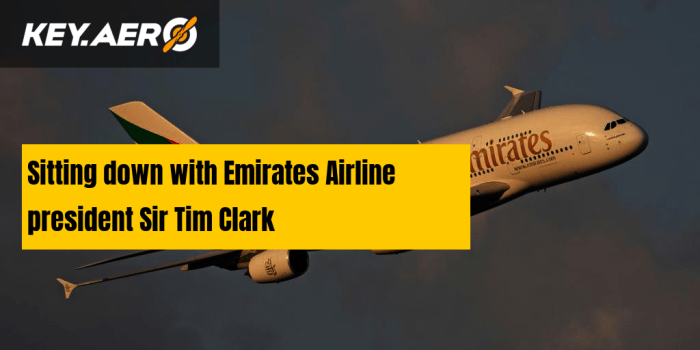
Emirates’ A380 and A350 fleets have been instrumental in maintaining the airline’s competitive edge in the market. The A380, with its unprecedented capacity and comfort levels, has enabled Emirates to operate a number of high-demand routes, including its flagship Dubai-London service. The A350, meanwhile, offers superior fuel efficiency and operating costs, making it an attractive option for medium- to long-haul routes.
Conclusion: Embracing Change and Innovation
The evolution of Emirates Airline’s fleet and network strategy is a testament to the airline’s ability to adapt and innovate in response to changing market conditions. By strategically managing its fleet, investing in data analytics, and embracing new technologies, Emirates has maintained its position as one of the world’s leading airlines. As the industry continues to evolve, Emirates is well-positioned to navigate the challenges and opportunities of the future.
FAQ Section
What is the current market capitalization of Emirates Airline?
Emirates Airline has a market capitalization of approximately $25 billion USD.
