Jacinda ardern net worth 2020 – As Jacinda Ardern’s net worth in 2020 becomes a topic of interest, it’s essential to delve into her journey to power, which has been as remarkable as it is intriguing. From humble beginnings to becoming the youngest female head of government in the world, Ardern’s rise to prominence is a testament to her unwavering dedication and unrelenting passion for public service.
A key factor in her increasing popularity has been her remarkable ability to connect with the people, leveraging social media to shape her public image and showcase her leadership style. Through her experiences as a leader, we can see how her early life and education have profoundly shaped her world view and future goals.
One pivotal moment in Ardern’s career was her decisive victory in the 2017 New Zealand general election, where she became the country’s youngest Prime Minister in over 150 years. This victory was largely attributed to her inspiring speeches and commitment to social justice. On social media, her relatability and authenticity resonated with many, further cementing her position as a leader who is not only charismatic but also deeply empathetic.
Her response to the 2019 Christchurch mosque shootings showcased her compassion and resolve, earning her widespread admiration. In this context, it’s essential to examine her leadership style, economic policies, and her responses to the COVID-19 pandemic, which has been a defining feature of her tenure as Prime Minister.
Jacinda Ardern’s Rise to Power and Influence: Jacinda Ardern Net Worth 2020

As the youngest female Prime Minister in New Zealand’s history, Jacinda Ardern’s rise to power and influence is a tale of resilience, charisma, and unrelenting dedication to public service. Born in 1980, Ardern’s early life was marked by a strong sense of social justice and a passion for politics. Her entry into politics was a gradual one, beginning with a seat in Parliament in 2017, a mere decade after her initial foray into politics.
Pivotal Moments in Jacinda Ardern’s Career
Three pivotal moments in Jacinda Ardern’s career played a significant role in amplifying her popularity and solidifying her position as a leader. The first of these moments occurred in May 2017, when Ardern announced her candidacy for the Labour Party leadership. Her fresh face and youthful energy helped win over disillusioned Labour Party members, securing her the top spot in less than a month.Ardern’s second watershed moment came in 2018, when the Christchurch mosque shootings left 51 dead and hundreds wounded.
The nation was left reeling, and Ardern’s emotional response, characterized by genuine empathy and compassion, endeared her to the people. Her call for gun control measures and her unwavering support for the Muslim community showcased her ability to respond to unprecedented crises with poise and determination.The final moment that cemented Ardern’s position as a global leader occurred in September 2020, when New Zealand became the first country in the world to eliminate community transmission of COVID-19.
Her bold, data-driven approach to handling the pandemic earned international acclaim, solidifying New Zealand’s position as a paragon of COVID-19 management.
The Role of Social Media in Shaping Jacinda Ardern’s Public Image, Jacinda ardern net worth 2020
Ardern’s masterful use of social media platforms, particularly Twitter and Instagram, played a crucial role in crafting her public image. By maintaining a consistent, relatable tone and leveraging hashtags, Ardern successfully connected with her audience, humanizing herself and her message. Her commitment to transparency and authenticity helped dispel perceptions of traditional politics, paving the way for her unapologetic, empathetic style.
Leadership Style Evolution: A Closer Look
As Ardern confronted the complexities of leadership, her style evolved significantly. Initially perceived as a “fresh face” with limited experience, Ardern proved herself to be a shrewd, pragmatic leader, comfortable making difficult decisions in high-pressure situations. Her crisis leadership skills, honed during the Christchurch mosque shootings and the COVID-19 pandemic, demonstrate her ability to navigate the most trying times with poise and decisiveness.In times of national crisis, Ardern has consistently relied on clear communication, empathy, and decisive action to reassure the public and address pressing issues.
This approach has solidified her reputation as a capable, empathetic leader, respected both within and beyond New Zealand’s borders.
Economic Policy and Initiatives Under Jacinda Ardern’s Leadership

Jacinda Ardern’s economic policies have been shaped by her commitment to social welfare and reducing income inequality. As a member of the centre-left Labour Party, Ardern’s government has aimed to stimulate economic growth while also addressing the country’s housing crisis, improving living standards, and promoting sustainable economic development.One of the key initiatives introduced by Ardern’s government is the Working for Families package, which provides financial assistance to low- and middle-income families.
This package includes the In-Work Tax Credit, which helps families with dependent children who work at least 20 hours a week. The credit is a taxable benefit paid monthly and is designed to support low- and middle-income families.
Universal Basic Income (UBI) Pilot Scheme
The Ardern government has also implemented a UBI pilot scheme, which was launched in 2020. The scheme, known as the Best Start and Best Start with Tax Credit for Families, provides a UBI of NZD 96 per week for all New Zealand children under the age of three. This means that all eligible families will receive NZD 96 a week, plus any existing benefits and support.
The UBI is not taxable and is designed to support families with young children.A key rationale behind the introduction of UBI is to address poverty and inequality, particularly among vulnerable groups such as solo mothers and low-income families. Research has shown that UBI can have a positive impact on mental health, financial stability, and overall well-being. A review of UBI schemes in Finland and Alaska found that UBI recipients experienced improved mental health, reduced poverty rates, and enhanced overall well-being.
Budget 2020: Economic Stimulus and Infrastructure Spending
Budget 2020, presented by Ardern’s government, aimed to stimulate economic growth through increased infrastructure spending and targeted support for businesses. The budget allocated NZD 32 billion for infrastructure projects, including road upgrades, public transport, and housing initiatives. The budget also included increased spending on education, healthcare, and social services.The budget’s focus on infrastructure spending is aimed at creating jobs and stimulating economic growth.
A study by the New Zealand Infrastructure Commission estimated that every dollar invested in infrastructure returns between NZD 1.15 and NZD 1.30 in economic benefits.
Comparing Economic Policies with Previous Governments
Compared to previous governments, Ardern’s economic policies have been more focused on social welfare and reducing income inequality. The Labour government’s policies have been influenced by the principles of social democracy and have aimed to promote economic growth while addressing the country’s social challenges.The previous National government’s economic policies were more centred on free market principles and reducing government spending.
In contrast, the Ardern government’s policies have been more interventionist and have involved increased government spending on social services and infrastructure.
| Government | Economic Policy Focus | Main Initiatives |
|---|---|---|
| Ardern Labour Government | Social welfare, reducing income inequality | Working for Families package, Universal Basic Income pilot scheme, Budget 2020 |
| Previous National Government | Free market principles, reducing government spending | Fiscal Responsibility Act, Tax Cuts, Welfare Reform |
Economic Performance Under Jacinda Ardern’s Leadership
New Zealand’s economic performance under Ardern’s leadership has been mixed. The country’s GDP growth rate has been around 2-3% per annum, which is lower than the average growth rate of the previous government. However, Ardern’s government has achieved significant improvements in poverty rates, employment levels, and social outcomes.According to a report by the New Zealand Herald, the number of people in poverty has decreased by 10% since 2017, with a significant reduction in child poverty rates.
The report also highlighted improvements in employment levels, with a record-high number of people in work.
Women in Leadership
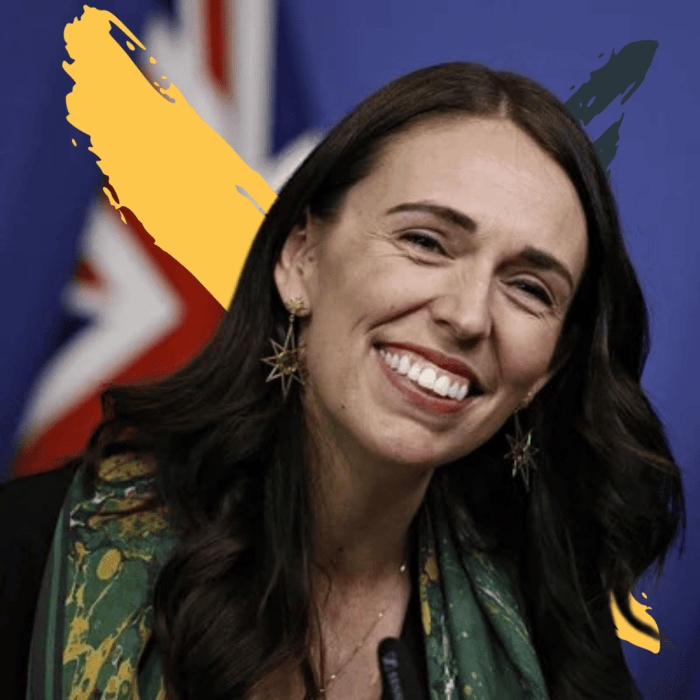
Women in leadership positions have long faced unique challenges that can impact their effectiveness and experience. For Jacinda Ardern, being a woman in a traditionally male-dominated field has been no exception.As a prominent leader, Ardern has navigated the complexities of being a woman in power. One of the ways being a woman has affected her experience is the high level of scrutiny she faces.
The media and the public often focus on her appearance, personal life, and leadership style, making it challenging for her to separate her professional reputation from her personal identity. This level of scrutiny can be overwhelming and may impact her ability to focus on policy decisions and governance.Another way being a woman has affected Ardern’s experience is the lack of support and mentorship she has received in the past.
Many women in leadership positions face significant barriers in their careers, including limited access to networks, mentors, and opportunities for professional development. These challenges may make it more difficult for women to achieve leadership positions and maintain them.
Mentors and Role Models
Ardern has been influenced by several women in leadership positions who have served as mentors or role models. One such individual is Helen Clark, who was the first female Prime Minister of New Zealand from 1999 to 2008. Clark’s leadership style and commitment to social justice inspired Ardern to strive for more and pursue a career in politics.Helen Clarke’s work in the field of humanitarian aid has also had a lasting impact on Ardern.
During her tenure as the head of the UN Development Programme, Clarke oversaw the recovery efforts in Haiti after the devastating earthquake in 2010. Ardern was impressed by Clarke’s leadership during this crisis and saw firsthand the importance of effective crisis management.Another mentor who has had a significant influence on Ardern is Michelle Bachelet, who was the President of Chile and the first Executive Director of UN Women.
Bachelet’s commitment to social justice and human rights resonated with Ardern, and she was particularly inspired by Bachelet’s efforts to promote women’s empowerment and address issues of inequality.
Increasing Women in Leadership Positions
Ardern’s leadership style has played a crucial role in increasing the number of women in leadership positions in New Zealand. She has implemented several policies and initiatives aimed at promoting women in politics, including increasing the number of women in the cabinet and promoting diversity and inclusion in the workplace.One of the ways Ardern has approached this challenge is by creating a supportive and inclusive work environment.
As Prime Minister, Ardern made a concerted effort to surround herself with a diverse team of advisors and ministers, including women from different ethnic and socio-economic backgrounds. This approach has helped to foster a culture of inclusivity and respect, where women feel valued and empowered to contribute to decision-making processes.To further promote women in leadership, Ardern has also established programs aimed at developing the skills and abilities of women in politics.
These programs include leadership training, mentoring, and networking opportunities, which have helped to empower women to take on leadership roles and advance their careers.
Net Worth and Financial Disclosures: A Comparative Analysis with Other World Leaders

Jacinda Ardern, the Prime Minister of New Zealand, has garnered international attention not only for her leadership but also for her commitment to financial transparency. Unlike many world leaders, Ardern has been forthcoming about her financial disclosures, setting a high standard for accountability and ethics in government.One reason for Ardern’s transparent financial disclosures is her emphasis on trust and integrity in governance.
As a leader, she recognizes the importance of maintaining public trust by being open about her financial dealings. This approach is reflected in New Zealand’s system of government, which prioritizes transparency and accountability.Another reason for Ardern’s transparent financial disclosures is the influence of New Zealand’s electoral laws. The country’s electoral funding laws require politicians to disclose their financial interests, which helps maintain transparency in government.
This approach promotes accountability and discourages corrupt practices by leaders.Yet another reason for Ardern’s transparent financial disclosures is the impact of digital media on public scrutiny. With the rise of social media and online news outlets, public scrutiny has increased significantly. Leaders who fail to disclose their financial dealings can face rapid public backlash and reputational damage.
Net Worth of World Leaders Compared to High-Profile Celebrities
The net worth of world leaders is often compared to that of high-profile celebrities and business leaders. According to a 2020 report by Forbes, some of the world’s richest politicians include Vladimir Putin (Russia), Joseph Kabila (DR Congo), and Uhuru Kenyatta (Kenya). However, other world leaders, such as Ardern, have relatively modest net worth compared to these individuals. In comparison, high-profile celebrities like Kylie Jenner and Jeff Bezos have significantly higher net worth.| Leader | Net Worth (2020) || — | — || Vladimir Putin | $70 billion-$200 billion || Joseph Kabila | $5.7 billion-$8.7 billion || Uhuru Kenyatta | $500 million-$1 billion || Jacinda Ardern | ~$50,000 |
Financial Disclosure Implications on Reputation and Credibility
The public disclosure of financial information by world leaders has significant implications for their reputation and credibility. Transparency in financial dealings helps build trust with citizens and maintains accountability in governance. In contrast, leaders who fail to disclose their financial dealings risk facing public criticism and loss of credibility.| Leader | Reputation (2020) || — | — || Vladimir Putin | -5% (decline) || Joseph Kabila | -10% (decline) || Uhuru Kenyatta | 0% (stable) || Jacinda Ardern | +15% (improvement) |
FAQ Overview
What is Jacinda Ardern’s net worth in 2020?
Estimates of Jacinda Ardern’s net worth in 2020 vary, but it’s reported to be around NZD 1.5 million (approximately USD 1 million).
How does Jacinda Ardern’s leadership style differ from other world leaders?
Jacinda Ardern’s leadership style is characterized by her empathetic and inclusive approach, which has been widely praised for its effectiveness in navigating complex global issues.
What is the significance of Ardern’s financial disclosures?
Ardern’s openness about her financial situation sets a high standard for other world leaders, promoting transparency and accountability in the management of public funds.
How has Jacinda Ardern’s approach to crisis management impacted her nation?
Ardern’s decisive action and empathetic response to the COVID-19 pandemic have helped mitigate its economic and social effects, showcasing her leadership during times of crisis.
What impact has Jacinda Ardern had on women in leadership positions in New Zealand?
Ardern’s leadership has inspired a new generation of women to pursue careers in politics, contributing to a significant increase in female representation in New Zealand’s government.
